The Fourth Armoured Division, being an elite military unit permitted to move freely across Assad regime's checkpoints, oversees the smuggling operations from Syria, including the trafficking of cash, weapons, illegal drugs, etc. The investigation found that Lebanese criminal and drug kingpin Hassan Daqou collaborated with Syria's Fourth Armoured Division on trafficiking billions of dollars of drugs, under the command of General Ghassan Bilal, the right-hand man of Maher al-Assad. By fostering expansion of trade and global transportation networks, free trade encourages cooperation and formation of alliances among criminal organizations across different countries.The drug trade in Latin America emerged in the early 1930s. Free trade has fostered integration of financial markets and has provided drug traffickers with more opportunities to launder money and invest in other activities. An online report published by the UK Home Office in 2007 estimated the illicit drug market in the UK at £4–6.6 billion a year.
Conventional small molecules take around years to enter the market, from their discovery to market approval. The average medication cost of a heart patient accounts for thousands of dollars annually. According to the WHO, an estimated 17.9 million people die from cardiovascular disorders each year globally. However, unlike simple generics, biosimilars undergo extensive analysis and clinical trials to confirm that they have the same characteristics as the reference biologics. Patent expiration provides significant opportunities for generics manufacturers.
Accelerating Geriatric Patients With Chronic Diseases Is Driving The Asia Pacific
The generics and biosimilars have a market share of only 25% in Switzerland, while it is 70% in the entire Europe. Various industries are focusing on gaining approval right after the patent period is completed for the APIs, in the development of generic medications. Furthermore, various industries are also focused on the development of generic medications as well as the approval for their use. Many large generic drugmakers get 55% of their raw materials from China. Additionally, government initiatives like “Pradhan Mantri Bharatiya Janaushadhi Pariyojna” to sell high-quality generic medicines to the people augment the market.
Complex Generics: The New Competitive Battleground
The largest driver of medicine spending growth through the next five years is still expected to be the availability and use in developed markets of innovative therapeutics and offset by losses of exclusivity and the lower costs of generics and biosimilars. The competitive landscape is characterized by a mix of multinational pharmaceutical companies, regional players, and generic drug manufacturers specializing in niche therapeutic areas. In January 2025, Sunshine Biopharma Inc. announced the release of two new generic prescription drugs by its Canadian subsidiary, Nora Pharma Inc. This ensures that generic drugs have the same active ingredients, dosage forms, strength, route of administration, and performance characteristics as their branded equivalents. Food and Drug Administration (FDA), require generic drugs to demonstrate bioequivalence to the branded drugs they are intended to replace. Price often becomes the primary factor in purchasing decisions, leading to a commoditization of generic drugs.
- There are clinical studies indicating that they could be applied to fight other diseases, including Alzheimer’s, neuropsychiatric conditions, and cancer.
- Until now, these exports had little impact on Australian drug markets which is probably owed to the diligent work of Australian border control forces .
- One of the critical elements driving the global market growth is the increasing launches of the generic equivalents of several key drugs in strong markets such as the U.S.
- Pipeline momentum is strongest in oncology and immunology therapeutics, with companies positioning to secure the next tranche of losses of exclusivity through 2027.
- The National Pharmaceutical Policy helps cut costs and reduce reliance on Chinese API imports.
Understanding the reality of the European drug market requires a holistic approach, following the supply chain from production and trafficking to distribution and sales. VAT rate on prescription-only drugs in Europe by country 2024 Only prescription drugs are included. Branded drugs enjoy the protection of patents, and the lack of competition means both manufacturers and pharmacies can charge what the market will bear. Germany has a high incidence of chronic diseases like cancer and diabetes, boosting the demand for pharmaceutical products.
The number of branded pharmaceuticals whose patents are about to expire is steadily increasing, creating enormous potential opportunities in the drug market. The indoor segment is expected to be the leader because the infectious diseases category led the generic medicines business, and it is likely to continue in the coming years. Because chronic diseases are so common, the government and many pharmaceutical companies are expanding their R&D spending to find novel compounds and improve existing technology. The rising prevalence of chronic diseases, the growing senior population, and rising healthcare costs are all factors contributing to this trend.
According to the World Health Organization, Noncommunicable diseases (NCDs) kill 41 million people each year, equivalent to 74% of all deaths globally. To list the most popular methods, drugs can be consumed orally, through a skin patch, by injection, or through an inhaler. Deepa Pandey is a focused and detail-oriented market research professional with growing expertise in the healthcare sector, delivering high-quality insights across therapeutic areas, diagnostics, biotechnology and healthcare services. Germany is facing major growth in the market, propelled by the rapid expansion of biologics and biosimilars, which are providing novel therapeutic approaches. With growing disposable income, especially among the middle class, people can afford highly expensive drugs. Also, the government of China is greatly promoting healthcare reforms, funding in healthcare infrastructure, and simplifying drug approvals to enhance availability and reasonable expenses.
- People in North America usually rely on their insurance to pay for epilepsy drugs.
- Also, in North America, especially the US, they greatly emphasize on patient-oriented, convenient delivery system and expenditure on healthcare resources.
- Novartis AG and Pfizer, Inc. are the leading players in the global market.
- Increasing Barriers to market access and decreasing R&D Productivity of pharma companies3.3.
- Nearly two-thirds of the Albanian criminal groups, who were active in trade of drugs like cocaine, were believed to be hiding in the UAE.
- Moreover, Indian government is investing heavily in novel drug discovery and development, supporting market growth.
The biologics and biosimilars (large molecules) segment is expected to grow at the fastest rate over the forecast period. These drugs are mostly used for oral administration and exhibit consistent pharmacokinetics, making them ideal for treatments. The conventional drugs (small molecules) have a widespread adoption rate, driven by well-established manufacturing processes.
The U.S. Food and Drug Administration (FDA) and Health Canada check if the drugs are safe, work well, and are good quality before they're sold. The rules for approving and selling epilepsy drugs in North America are strict. All these extra complications can mean more doctor visits, more tests, and more medications, which can add up and increase healthcare costs. These drugs are often the first choice for many patients because they're effective in controlling seizures and are generally less expensive compared to newer options.
North America Is Leading The Diabetes Drugs Market
The increasing patents on biologics, rising demand for natural products as medicines, and low cost of biosimilars boost the market. Hence, the simpler approval process of small molecule generics, increase in patent expiration of small molecules, and low cost of products drive the market. Small molecule generics are manufactured once the patent of brand-name drugs expires. Hence, the use of generics lessens the financial burden on the lower- and middle-income groups of people, thereby increasing the affordability of cardiovascular drugs. Hence, more generic pharmaceuticals can be launched in the market with the expiration of patents over the coming years. Once the patent expires, a generic version of the drug can be made by other companies and approved by the respective regulatory agencies in which the drug is to be sold.
This involves proactively providing clear, transparent, and convincing data to healthcare professionals, supporting them in their conversations with patients, and ultimately building “trust equivalence” to complement the scientifically demonstrated bioequivalence. For manufacturers of complex generics and biosimilars, commercialization strategies must therefore include a robust educational component. This highlights that regulatory approval alone is not sufficient to guarantee market success.
The business obtains access to a number of intriguing clinical assets that enhance its pipeline for oncology treatments and make excellent prospects for both combination and single-agent development. This figure will likely increase significantly in the coming years due to the costs of developing effective and safe COVID-19 treatments and vaccines. Pharma companies spend over 21% of their revenues on R&D, and this sizeable investment is wasted if a medication does not receive regulatory approval. In addition, biosimilars help improve the quality of life among millions of patients while saving billions of dollars for healthcare systems per year. According to Cardinal Health, it is expected that biosimilars are expected to reduce the US drug expenditure by US$ 133 billion by 2025. In 2020 alone, biosimilars saved US$ 7.9 billion, with savings expected to grow significantly in the next few years as more biosimilars enter the market.
Top Companies In The Pharmaceutical Market
The industry is witnessing a shift towards convenience, personalized medicine, and preventive healthcare. As economies grow and populations age, the need for medications and healthcare services increases. Underlying macroeconomic factors also play a role in shaping the Prescription Drugs (Pharmacies) market in worldwide. Pharmacies are expanding their services to include these preventive healthcare offerings, positioning themselves as comprehensive healthcare providers.
Prescription Drugs Market Dynamics
This route serves Hezbollah in making a profit in the cocaine smuggling market in order to leverage it for their activities. Following the departure of the DEA from Venezuela and the expansion of the DEA's partnership with Colombia in 2005, Venezuela became more attractive to drug traffickers. According to the Africa Economic Institute, the value of illicit drug smuggling in Guinea-Bissau is almost twice the value of the country's GDP. It concluded "the cost of crime committed to support illegal cocaine and heroin habits amounts to £16 billion a year in the UK"
Competitive Overview Of United States Pharmaceuticals Market
This highlights the significant role played by generic drugs in providing accessible and affordable healthcare options to the population. By therapeutic application, the cardiovascular diseases segment is predicted to witness significant growth in the market over the forecast period. It enables them to establish partnerships and collaborations with wholesalers, distributors, and healthcare providers to ensure the availability and accessibility of generic drugs to patients. Increased funding enables these manufacturers to enhance their R&D capabilities and bring new generic drugs to the market. Funding plays a crucial role in supporting research and development activities in the generic drugs sector.
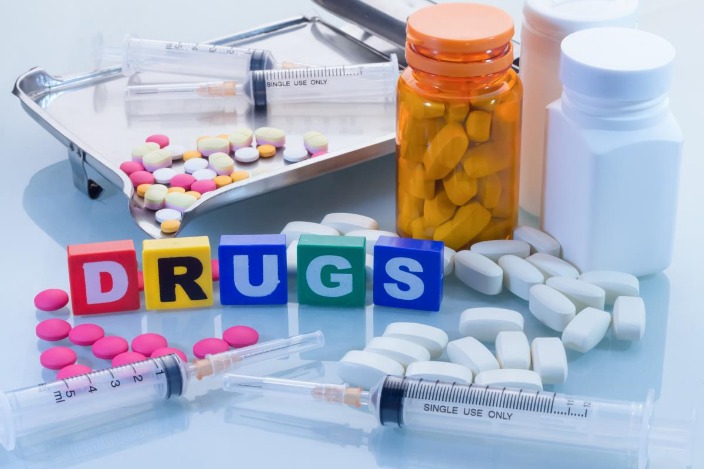
Similarly, the use of the Internet for the illegal trafficking of two controlled categories of drugs can also be identified as Internet-related drug trafficking. On 18 November 2016, following what was known as the Narcosobrinos incident, Venezuelan President Nicolás Maduro's two nephews were found guilty of trying to ship drugs into the United States so they could "obtain a large amount of cash to help their family stay in power". Venezuela has been a path to the United States and Europe for illegal drugs originating in Colombia, through Central America, Mexico and Caribbean countries such as Haiti, the Dominican Republic, and Puerto Rico.citation needed Iran is now a common route for smugglers, having been previously a primary trading route, due to its large-scale and costly war against drug trafficking. From these producers, drugs are smuggled into the West and Central Asia to its destinations in Europe and the United States.
The generic drugs market is subject to stringent regulatory requirements to ensure the safety, quality, and effectiveness of generic medications. Food and Drug Administration (FDA) play a crucial role in the generic drugs market. The generic drugs market is experiencing a significant boost due to the rising number of product approvals. Thus, off-patent, off-exclusivity drugs play a crucial role in the generic drugs market by promoting competition, affordability, and treatment access.
Branded medications are the original goods that pharmaceutical companies create and sell. The Latin American pharmaceutical market was valued at approximately USD 91.85 billion in 2024 and is expected to grow to USD 97.84 billion in 2025. Key growth drivers include improved access to medicines, adoption of digital health technologies, and enhanced regulatory harmonization, highlighted by the establishment of the African Medicines Agency (AMA) for streamlined drug approvals. The Middle East and Africa pharmaceutical market was valued at US$ 75.15 billion in 2024 and is expected to reach US$ 80.05 billion in 2025. Meanwhile, statutory health insurance payments for pharmaceuticals (in ambulatory care only) also rose steadily, reaching €175 billion in 2023, indicating the growing importance of medicines in healthcare systems. The total pharmaceutical market value at ex-factory prices climbed from €89.4 billion in 2000 to €290 billion in 2023, reflecting consistent market expansion.