Over the summer and during the holidays typically coincide with a fall in fake ID rates at these types of bars, as students return to their hometowns. We see some college bars which regularly see rates of 10-15% fake ID incidence year-round at college bars. Bars in towns such as State College, Pennsylvania and Tempe, Arizona show surges in use of fake IDs at several times throughout the school year. Unsurprisingly, college bars are one of the most popular locations for using a fake ID.
Your Identity May Be At Risk Of Being Stolen And Sold On The Dark Web
This makes detection more difficult, as there’s no individual to report fraudulent activity. Fraudsters use AI to generate high-quality fake government-issued IDs, complete with real-looking holograms and barcodes. Our solution integrates effortlessly with desktop, mobile, and web apps to prevent fraud and restrict underage sales. Schedule a consultation today to explore how FTx Identity can help you strengthen your defenses against fake IDs.
Recommendations For Businesses And Organizations
In early 2024, news agencies created a panic around new, AI tools for generating images of fake IDs. Bars in New York, Nashville, Las Vegas, and all major Florida metro areas are considered fake ID “hot spots” due to the high volume of suspicious ID regularly detected. It is no surprise that our customers in tourist markets see roughly 2x the number of fake IDs at their doors. We also created a casino and gaming ID fraud report to help our customers in that space better understand the latest fraud risk and ID verification trends. For Vegas casinos, July and October are the most popular months to use a fake ID, while for non-Vegas properties, January, February, and early April are more popular. While using a fake ID to gain admittance to a casino is a less popular use case for owning a fake (as compared to purchasing tobacco, alcohol, and cannabis), we do see seasonal trends.
Hacking And Cybercrime Services
Describing the significant operation as “compromising identity verification systems through the systematic collection of genuine identity documents and images,” the iProov analysts said that this demonstrates how the nature of identity fraud is evolving. Even as AI tech advances, leveraging cutting-edge identity verification solutions like AuthenticID can help you detect even the most sophisticated fraudulent documents. In the past, getting a fake ID that’s compelling enough to bypass identity verification and know-your-customer (KYC) checks has not been impossible, though it’s not always been successful. For instance, maybe they’ll steal one person’s Social Security number, someone else’s home address, and come up with a fake name to create a synthetic identity.
Where And How Are Fake IDs Most Commonly Used?
Awareness, strict security checks, and modern detection techniques are the best ways to stop the misuse of fake IDs. However, new security tools like liveness detection and AI-powered verification could help fight fraud. As technology advances, fake identification will become more challenging to detect. People, businesses, and law enforcement must be alert and use modern technologies to spot fraudulent IDs.
Data Sheets
- From the Telegram thread we pulled several examples of fakes generated on the Passport Cloud website.
- Dark web marketplaces, encrypted messaging apps, and 3D printing have enabled fraudsters to produce realistic-looking IDs at a low cost.
- Some fake IDs are altered by their owners, with date-of-birth numbers or photos changed.
- What’s even more alarming is that fake ID usage isn’t limited to this younger demographic.
While this is certainly an illegal activity that comes with a long list of consequences for perpetrators, there are other, more insidious reasons why criminals want to get their hands on a good fake ID. And you wouldn’t be wrong–some reports show that 69% of college students surveyed have owned or used a fake ID at some point. Case in point–the spike in hyperrealistic fake IDs being made with the help of AI. Technological advancements have empowered law enforcement agencies with sophisticated tools to detect fraud effectively, making detection and prosecution increasingly likely. Ultimately, addressing fake document usage necessitates more than law enforcement—it requires broader societal reflection and moral education emphasizing integrity, accountability, and the importance of shared societal values.
STYX Market

In some states like Illinois and New York, mere possession of a fake ID can result in felony charges, while in others like Texas and Ohio, first-time offenses are typically treated as misdemeanors with limited consequences. The legal framework governing fake identification in America is a patchwork of federal and state statutes with significant inconsistencies. Economic circumstances significantly influence both the supply and demand sides of the fake ID market. "It provides the anonymity and access that enable everything from retail fraud to terrorism financing." "A quality fake ID is often the first domino in a sequence of increasingly serious crimes," explained FBI Special Agent Marcus Jackson. Document forgery networks often start with fake IDs before expanding into passports, birth certificates, and Social Security cards.
Advanced AI Models And Enhanced Defenses
But when legitimate facial images are paired with legitimate and corresponding identity documentation, a basic verification system is likely going to be in trouble. Standard document verification processes are able to detect both altered and forged identity documents, however, the use of genuine, 100% legitimate documentation as provided by the dark web group makes this traditional verification methodology unreliable. Researchers from iProov’s biometric threat intelligence unit have uncovered what appears to be a simple yet simultaneously sophisticated identity protection bypass operation being implemented on the dark web. Here’s everything you need to know about this sophisticated approach to identity theft that, it would seem likely, has been using information willingly exchanged for financial reward to build the ID farming business. A dark web criminal operation that appears to have been farming facial ID images along with the genuine identity documents that accompany them has been unmasked, if you’ll pardon the pun, by threat intelligence researchers.
Many individuals perceive lower-level infractions, like underage individuals using fake IDs for alcohol purchases, as relatively harmless rites of passage. When citizens perceive that fraud is widespread or tolerated, social cohesion weakens, damaging overall community resilience and stability. Additionally, communities facing rampant document fraud often see declining public trust in institutions, businesses, and even interpersonal relationships. Victims of human trafficking or organized crime—enabled by fraudulent documents—experience profound and lasting trauma.
The landscape of identity verification is rapidly evolving, with new technologies and regulations reshaping how businesses and consumers interact. These tools can analyze data patterns, flag inconsistencies invisible to the human eye, and adapt as fraud techniques evolve. What’s making the fight against ID fraud trickier is the rise of AI-generated IDs. But with modern fake IDs replicating these details to perfection, these methods have lost much of their reliability. The solution lies in tightening up fraud detection measures and prioritizing robust age verification processes that protect not just your business but your brand’s future. When fake ID users infiltrate your business, the ripples can become tsunamis.
The first step in creating convincing fake documents often involves the theft or unauthorized disclosure of sensitive personal information. Understanding how fake documents originate, why they are popular, and the severe consequences of their use is essential to navigating and safeguarding oneself in today’s digital landscape. Despite their allure, these fraudulent documents come with substantial risks, both legally and personally. Yes, underground markets on the dark web and encrypted messaging platforms continue to facilitate fake ID sales worldwide despite increased crackdowns. Fake IDs are most often used on college campuses, in nightlife venues, during online purchases, and at international borders for identity manipulation.
Get The Tor Browser
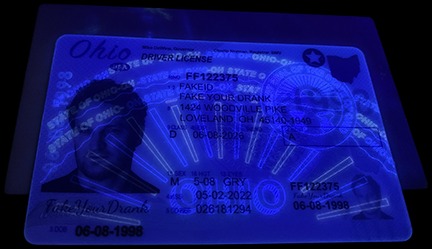
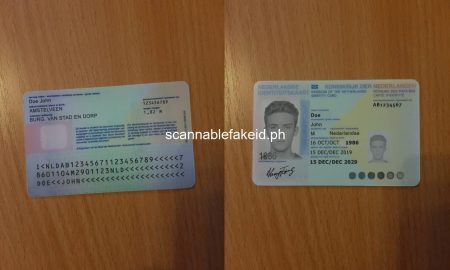
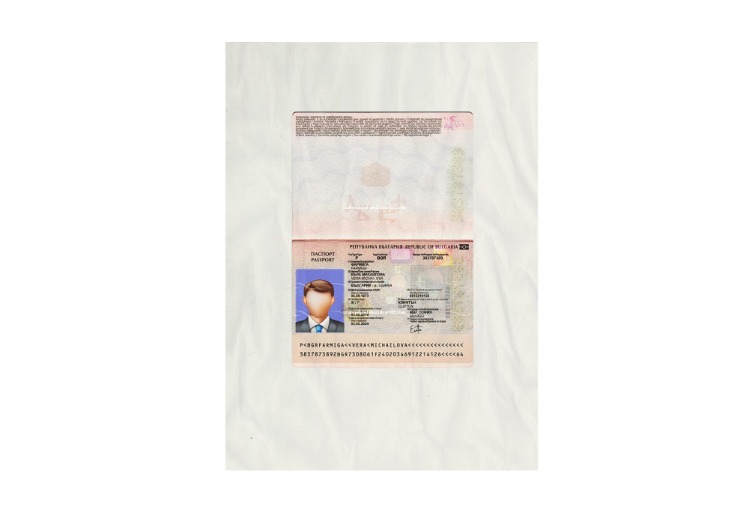
These services have opened up a new avenue for ID fraud, making it more accessible than ever before. Additionally, these fake IDs often have realistic-looking backgrounds to make it look like the ID is sitting on a table, countertop, or blanket. The photo may be one provided by the user, or it could come from services like thispersondoesnotexist, which creates completely new, fake faces.

Prosecutors ultimately secured convictions against seven individuals on charges including document fraud, money laundering, and conspiracy. Because fake ID operations typically cross state and international boundaries, investigations require coordination between multiple agencies with different priorities and resources. "By the time we identify and can recognize a specific security flaw being exploited, they've already moved on to something new," said Lieutenant David Chen of the California Highway Patrol's fraud investigation unit. Law enforcement officials across multiple agencies described feeling perpetually behind in the technological arms race against fake ID producers.
Dark Web Facial ID Farm Warning—Hackers Build Identity Fraud Database
Purchasing fake IDs or fraudulent documents on the dark web involves specific steps designed to preserve the anonymity of both the buyer and the seller. Fake IDs and fraudulent documents refer to identity materials produced or altered illegally, which are widely traded through the hidden marketplaces of the dark web. The majority of fake ID users fall within the 16–21 age range, typically for social access, but usage is rising among adults involved in fraud and financial crimes. They play a role in identity theft, enabling criminals to open fraudulent bank accounts, apply for loans, or access private data.
To deter potential AI-generated fake ID buyers from purchasing, the identity verification industry needs to demonstrate that our solutions are advanced enough to spot them, even as they increase in quality. Easy-to-use tools such as Thispersondoesnotexist make it simple for anyone to cobble together a quality fake ID image and a synthetic identity. In the US, organizations large and small deploy digital and physical scanning to stop fraudsters using fake IDs. While the sheer impact of identity fraud-related costs is difficult to assess in its entirety, Javelin Research from 2021 suggests the figure is upwards of $50 billion per year for US businesses. The quality of fraudulent IDs has always varied – from obvious fakes, easily caught by the naked eye, to high-quality fake IDs, only detectable with specialized authentication hardware and software.

Hospitality venues rely on third-party verification services to document fake ID attempts and share patterns with local authorities. Colleges use access control systems and incident reporting databases to track student-related infractions involving fake IDs. The process of tracking fake ID statistics has evolved thanks to advanced analytics and collaborative tools. The evolution of technology has brought with it a wave of trends that are changing how fake IDs are made, distributed, and used. No longer limited to poorly made plastic cards used by underage drinkers, fake ID usage now spans digital platforms, high-tech forgery, and even organized crime. As we move through 2026, the world of fake identification has taken on new levels of sophistication.