
Researchers from Recorded Future estimated that while there are more than 55,000 existing onion domains, only 8,400 (or roughly 15%) of these sites were active. The dark web, by contrast, is configured on darknets — online networks that can be accessed only with special software and techniques. The websites you visit every day aren't all there is to see on the internet — not even close. It is designed to provide online anonymity and privacy to its users. DarkWeb “marketplaces” guarantee confidentiality and anti-surveillance for your online purchases that you simply won’t find on any other websites.
Either way, some sites take up to a minute or more to load, so don’t fret. Copy the URL of the site you want to visit, press Enter, and you’re all set. If you’re prompted to connect, click the purple Connect button. The dashboard should open properly, indicating you’re ready to connect to any VPN server. Even if the Tor node fails, your data won’t be exposed because the VPN’s encryption still holds up. A VPN encrypts your traffic as soon as you connect to it.

At the time, the internet was still young, and tracking people was easy while staying anonymous was not. Similarly, unless you’re using a VPN, your IP address will be visible to the first relay node you connect to. If a breach is detected, BreachGuard will notify you right away and help you take the steps you need to secure your data immediately. Cybersecurity teams comb through these breaches and incorporate their findings into their security software, helping people like you. Your information might be on the dark web if it was exposed in a data breach, sold, or stolen by hackers.
Step 3: Launch Tor Browser
The company may not have a large server network and access to much in the way of geo-restricted streaming content, but it does have plenty going for it in terms of privacy. This involves passing internet traffic through the Tor network first, and then through the VPN. Its server network includes dedicated nodes set up to reroute internet traffic through the Tor network.
How Do I Access The Dark Web?
Traffic is relayed through three nodes each time it passes through the Tor network. When using Tor, your traffic will never reach its intended destination directly, as it would on surface web browsers. Accessing the dark web is easier than you might think – all you need is an onion and a bit of know-how… To access the Dark Web, you have to use a browser called Tor, also known as The Onion Router. Everything from social media data to medical records are held on the deep web, as is all your email information. Instead, you'd have to go to the local council website and use their internal search engine to find it.
While in theory you can buy legitimate products and services on the dark web, remember that anonymity works both ways. There's a fascinating thread on Reddit (not remotely safe for work) where dark web users share their stories. Since your connection is routed through multiple tor relays, page loading times can be very slow making effective searching extremely time-consuming. Part of the reason for this is lack of incentive for content creators on the dark web. Mail providers Mailbox.org and Protonmail can also be accessed via an .onion link. Any internet traffic leaving the exit node is no longer part of Tor's dark web.
What Activities Are Considered Illegal?
Since your traffic goes through a series of relays, getting encrypted or decrypted along the way, things slow way down. While the Tor Browser does an excellent job of protecting your privacy and anonymity, you really shouldn’t use it as your daily driver browser. Also, since the Tor Browser is based on the Mozilla Firefox platform, it’s susceptible to the same attacks that other browsers are. While this doesn’t tell the exit node what your original IP address or your geographical location is, it could spy on your activity if the website you’re visiting isn’t a secured HTTPS website. The exit node removes the final layer of encryption on your data.
AI Writing: How It’s Changing The Way We Create Content
In an age of mobile-driven breaches, productivity leaks, and data… Whether you’re an IT professional ma… Yes, via apps like Tor Browser for Android or Onion Browser for iOS, but desktops offer more security. A VPN combined with Tor provides better anonymity.
- Connection speeds are very fast, and you should be able to stream HD and 4K content without buffering.
- Customer privacy and data security is our top priority.
- This hidden part of the web carries several illegal activities, including drug and weapon dealing, pornography, private data, and more.
- The dark web doesn’t carry as many of the social contracts that website providers follow to protect users on the rest of the web.
- This involves passing internet traffic through the Tor network first, and then through the VPN.
Can I Get In Trouble For Accessing The Dark Web?
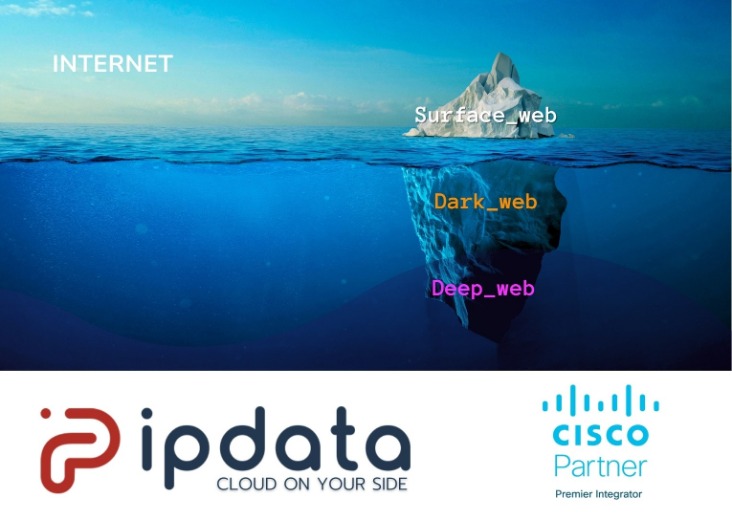
Tor browser is only one software which provides you access to get deep web, because tor browser working on routing technology and provide a secure environment for you. This is the main reasons, why you can’t visit these type deep websites with the help of your normal browser. Can you assume what type things, sites, data you can find on this remaining space? But you know, you can access only 4% internet from your computer or mobile.
The deep web includes both legal and illegal content, including the portion known as the dark web. This is below the surface web and accounts for about 90% of all websites. The darknet is a private place where nobody can intercept, monitor, or steal anything online from you. Due to its hidden nature, the dark web is also famous for the names underground internet and black web.

Using Brave Browser (with Tor)
There’s also little to no recourse to be had if you encounter any trouble there, because the dark web is a decentralized collection of websites hidden from search engines. Another great use for the Tor network is that it allows you to access the so-called .onion websites. The Dark Web is a hidden realm within the internet that is not accessible through traditional search engines.
Maintain Anonymity
Almost all sites on the so-called Dark Web hide their identity using the Tor encryption tool. You won’t see any of this stuff in the results when you do a Google search, so what exactly can be found on these dangerous sounding places? The internet is a much, much bigger place than you probably realise. This doesn't affect our editorial independence.
Facebook offers an onion link to access their services, although you may find logging in difficult, as you’ll most likely appear to be signing in from a different location each time. While it is not flawless in protecting user privacy, it works well enough to give users much more privacy in where they go, the content accessed, and protecting their identity and location. This means content of such sites isn’t accessible to web crawlers. There are also millions of servers which only store data which can’t be accessed via a public web page. This accounts for well over 80 percent of the company’s revenue, linking people who are searching with the millions of sites out there that pay Google to list their content.
VPNs And Proxies: Practical Alternatives
Although data sent through Tor can’t be tracked or decrypted, your internet service provider and network administrator can still see that you’re using Tor. Specialized search engines, directories, and wikis can help users locate the data they’re looking for. H25.io is a premium directory in the Tor network, offering access to a diverse and meticulously curated list of onion sites. Unlike traditional websites, .onion addresses aren’t indexed by mainstream search engines, requiring specialized methods to find them safely and reliably. Tor provides anonymity through a process known as “onion routing,” where internet traffic is encrypted and passed through multiple network nodes.
For built-in Tor over VPN functionality, NordVPN operates specialized servers that automatically route you through the Tor network. If you connect to your VPN and fire up Tor Browser, you’re using Tor over VPN. While somewhat similar, Tor emphasizes anonymity, and a VPN emphasizes privacy. The more specific you can be, the better, or else you’ll end up with the same search results you would find on Google. Much of it is tucked away in databases that Google is either uninterested in or barred from crawling.