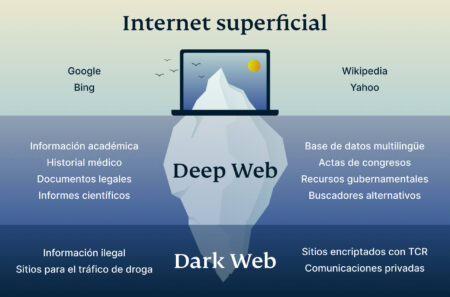
While the former is used chiefly for legitimate day-to-day online activities, the latter is more anonymous and known for illegal transactions. Simply accessing certain sites or engaging with the wrong links could implicate you in criminal investigations. Though it is not illegal to visit the dark web, accessing it can expose you to serious legal risks, even if you don’t have any criminal activity in mind. Doing so will protect you from accidentally accessing illicit content or becoming a victim of malware.
- The average monthly traffic received by the deep web is 50% more than surface websites.
- Search engines index all the web resources on the surface web, so you can search for them online.
- But navigating the dark web is full of cybersecurity and legal challenges.
- All the websites and services you visit when searching on Google, Bing, or other regular search engines are part of the surface web, which is also known as the Clear Web.
- And if someone tries to access the deep web without proper authorization, it would be termed as hacking, which is again illegal.
Darknet Websites Uncovered
Although content on the dark web is not as ‘indexed’ compared to the one on the clear web, you can still use search engines to find stuff. Tricky, but effective; that’s why it’s, by far, the best method to access dark web content. Unlike the regular internet, the dark web doesn’t use standard URLs or search engines. The Tor Onion Browser is essential for accessing the dark web, designed for user anonymity. Privacy and anonymity are the dark web’s hallmarks, thanks to a network of servers that hide users’ identities and locations. It makes up about 6% of the internet, and it’s where you find everything from illegal marketplaces to forums for whistleblowers.
These websites will also use .onion top-level domain names, and many of them will be very long, random combinations of letters and numbers. The mobile app uses DuckDuckGo as its default search engine and is supported by the Orbit framework to provide secure access to the Tor network. As search engine crawlers do not catalog these pages, you would need to know the exact link to access a website in this area of the internet. Websites and pages in the deep web might include password-protected content, private forums, and personalized resources. The dark web — aka, the deep web — is the second layer of the internet, which is not indexed by search engines.
From a regulatory perspective, the Deep Web aligns with mandates like GDPR, which demand controlled data environments. Most deep web content is legal, though some illegal content, like pirated movies, exists. Most deep web resources serve legitimate purposes and exist to protect confidential information rather than conceal illegal activities. By volume, the deep web constitutes approximately 90% of all internet content (according to Google’s documentation mentioned above).
What Is The Dark Web & How To Access It Safely In 2025
One of the most significant barriers to finding deep and dark web sources is that you must use the exact URL to access sources that are not indexed — even with a browser like Tor. In addition, encrypted messaging platforms like Telegram and QQ provide a safe haven for communications about malicious acts and are, therefore, popular among threat actors. Most Dark Web users use the TOR browser, which is designed to make the Dark Web easier to navigate. Famous illegal marketplaces like the Silk Road are hosted on the Darknet. Darknets are encrypted overlay networks that sit on top of the public Internet.
Dark Web Search Engines
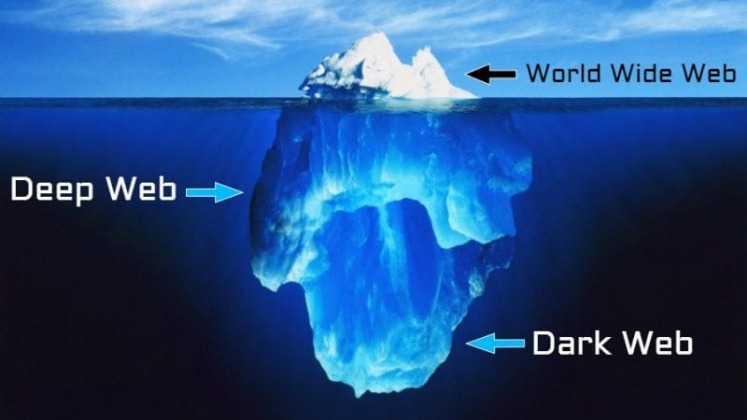
The Internet is sizable with millions of web pages, databases, and servers all run 24 hours a day. Countries differ in how aggressively they monitor Dark Web activity. The Darknet is a subset of the Internet operating over encrypted, anonymous overlay networks that require special software like Tor, Freenet, or I2P. Even platforms like Netflix, which require paid access, are technically part of the Deep Web. The small visible tip is the Surface Web—everything easily searchable. That hidden portion lives across the Deep Web, Dark Web, and Darknet.
Dark Web And Darknets
Search indexing helps make the Internet useable by most people. As we’ll see later when discussing the deep web, that’s not quite true, but for most normal online processes that definition will suffice. But even beyond the technical complexities of the internet, the essence of the surface web can be difficult to grasp.
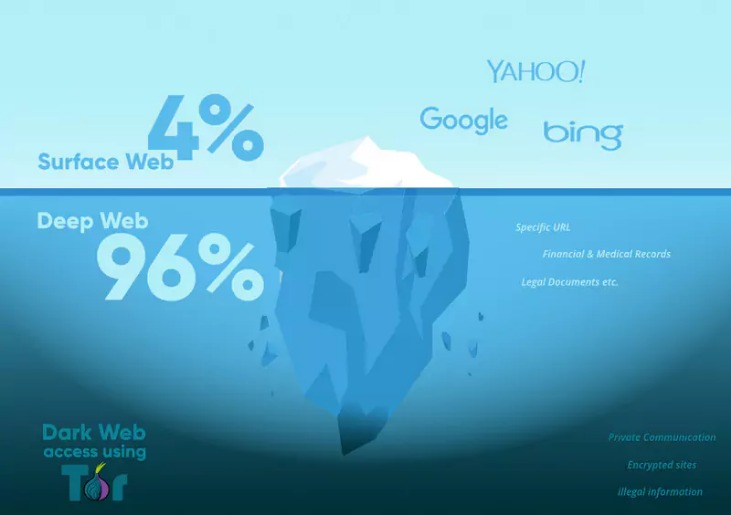
Most of these are databases and intranet sites that typically aren’t what you’d think of when you hear the term “deep web,” but even if you exclude these, the websites on the deep web vastly outnumber those on the regular surface web. If you use the widest definition of the deep web, then it’s a vast ocean of websites. Meanwhile, cybersecurity experts monitor the dark web, scanning for stolen data and emerging threats. Hidden, encrypted and out of reach of traditional search engines, the dark web is a place where anonymity rules. It is notorious for illegal transactions and activities such as drug trafficking, arms dealing and identity fraud.
Cyble Partner Network (CPN) Join Us
Most definitions of the surface web reference conventional search engines' ability to index a site. We always recommend using a reliable VPN when accessing the deep web or dark web. The most common way to access the dark web or deep web is by using the Tor network, and doing so is not nearly as complicated as you might think. Also, be wary of RATs (Remote Administration Tools) that malicious actors might try to install through dark web sites to gain control of your system.
How To Access
- Nor can a search engine process content that a Web page generates only when the page is opened and that varies depending on who opens it.
- This technique is ideal for discovering content on the surface web but is often ineffective at finding deep web content.
- Examples include software as a service (SaaS) solutions, paid news websites, and streaming services.
- The most popular dark web network is The Onion Network (TOR network).
It's something built into the password management services offered by Apple and Google as well, so you don't need to trawl through data leaks manually yourself. With all of that in mind, you need to tread carefully when browsing, in terms of the sites you visit and the other users you interact with. You might often see news stories about criminal activity involving the dark web, and because of what's happening in some corners of the dark web, it tends to put off law-abiding companies and users alike. Some of these sites can be found through regular web browsers, but you'll then need to switch over to Tor once you've got the onion links you want to follow. This search engine will get you to the sites you need, though you can also go directly to dark web addresses if you know what they are, as with standard URLs.
It was shut down in 201, but not before it showed the world how easy it was to buy illegal drugs, counterfeit documents, and other questionable items online. The dark web hosts all kinds of illegal activities, many of which are the buying and selling of firearms, drugs, counterfeit money, fake passports, and stolen accounts. Hence, it’s very hard to shut down dark web servers or place geo-restrictions on users. On the dark web, neither users nor web administrators reveal themselves to each other, including their identity or their location. With that said, legitimate websites also exist on the dark web. Risks of accessing dark web and deep webBenefits of using the dark web?
Keeper is the first and only password management application to be preloaded with mobile operators and device manufacturers including, AT&T, Orange, America Movil and HTC. There are several whistleblower sites, including a dark web version of Wikileaks. We don’t want to leave you with the impression that everything on the dark web is nefarious or illegal. As in the real world, the price you pay for stolen data fluctuates as the market changes. The dark web news site Deep.Dot.Web teems with stories of buyers who have been arrested or jailed for attempted purchases. Dark web commerce sites have the same features as any e-retail operation, including ratings/reviews, shopping carts and forums, but there are important differences.
Accessing Dark Web Sites

On the deep web, you can find such “private” information on web pages. You don’t need special tools or a special browser like you need to access the dark web (more about that later). The majority of the web is called the “deep web” (often referred to as the “invisible” or “hidden” web). That means that only 0.024% of all the known pages are findable in Google’s search engine. Hypothetically speaking, Google may be aware of well over 200 trillion individual pages (these are obviously NOT all indexed in the search engine).