
MDMA can cause negative health effects, some potentially serious. These effects peak within 15 to 30 minutes and last an average of three hours.3 However, there may be side effects of using MDMA, some of them potentially dangerous. A person may experience the effects of MDMA within 45 minutes or so after taking a single dose. MDMA (an abbreviation of 3,4-methylenedioxymethamphetamine), also called “Molly” or “Ecstasy,” is a lab-made (synthetic) drug that has effects similar to stimulants like methamphetamine. It would allow further research into the specific effects of MDMA for PTSD, which would facilitate a better understanding of how MDMA can be useful in other conditions such as substance use disorders. More than 20% of Veterans with PTSD also have substance use disorder, and about a third of veterans seeking treatment for substance use disorder also have PTSD.
Addressing Cocaine And Fentanyl Addiction: A Comprehensive Approach
However, the FDA has designated MDMA a breakthrough therapy to expedite research for it as a treatment for post-traumatic stress disorder. The U.S. Food and Drug Administration (FDA) has not approved MDMA as a treatment for any medical condition. However, those studies show that animals did not take MDMA as much as some other addictive drugs, such as cocaine.2 Learn more about ways to test drugs for hidden ingredients. Chemical analyses of drugs sold as MDMA have shown that they may be adulterated, meaning they contain other types of drugs, perhaps without the purchaser knowing it. Negative health effects of taking MDMA may include higher blood pressure, involuntary jaw clenching, nausea, vomiting, and restless legs.
What Are MDMA And MDA?

Alles noticed physical effects, too, the kind often experienced when taking MDMA. As a psychedelic, MDA has the potential to change your perceptual experiences. It is due to these empathogenic effects that, much like MDMA, some researchers believe MDA can be used to increase the effectiveness of psychotherapy. Are ecstasy induced serotonergic alterations overestimated for the majority of users? MDMA-assisted therapy significantly reduces eating disorder symptoms in a randomized placebo-controlled trial of adults with severe PTSD.
Is MDMA Safe?
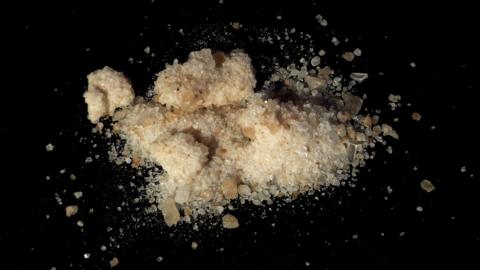
MDA (3,4-methylenedioxyamphetamine) is closely related to MDMA, but it’s less well-known to casual users. It’s most often celebrated for inducing emotional warmth, empathy, and heightened sensory perception. MDMA (3,4-methylenedioxymethamphetamine), commonly known as Ecstasy or Molly, is a synthetic psychoactive drug. We bring compassionate people together to change lives.
Long-term Effects
Thanks to oxytocin, many people describe feeling “loved up” while under the influence of MDMA. MDMA also carried a significantly lower risk of anxiety and “bad drug effect,” or flipping out while tripping. In one study comparing MDMA and LSD, MDMA was found to increase extraversion and concentration but resulted in a gentler experience of ego dissolution. Many of these qualities have been identified as therapeutically significant too, with clinicians researching how to harness these properties to treat a range of mental health disorders. However, MDMA also boasts other properties that attract people to experiment with it.

Lower Sexual Inhibitions
The effects of MDMA begin within 30 to 45 minutes and last up to 6 hours. Treatments like cognitive behavioral therapy (CBT) are used to help individuals manage the psychological aspects of addiction, addressing issues such as cravings, depression, and anxiety. Yes, ecstasy addiction is treatable with a combination of behavioral therapies, counseling, and support groups aimed at reducing cravings and preventing relapse. Long-term MDMA users may suffer from cognitive impairments and mood disturbances, further increasing the risk of dependence and reinforcing the cycle of addiction.
There will always be a health risk. If awake, keep them sitting, cool and have them sip some water (some people have died from drinking too much water after taking MDMA). Short-term effects, both desired and undesired, may include… It is often taken by some people at music festivals, dance parties and nightclubs.

While you can still find Molly in the club, these days, MDMA is experiencing a reinvention as a medicine for mental health disorders. MDMA also lifts the levels of other vital hormones in the brain, including oxytocin, which influences feelings of trust, empathy, and sexual desire. In addition to firing up these fundamental neurotransmitters in the brain, MDMA also lowers activity in the amygdala, the region of the brain that kicks off fear and propels the “fight or flight” mechanism. While serotonin is a neurotransmitter, it’s also known as “the happy hormone” as it plays a central role in regulating well-being. In simple terms, once serotonin has been released and creates a biological effect, it is usually inactivated through a reuptake mechanism. Serotonin is a neurotransmitter—a molecule used by the nervous system to carry messages between brain cells and muscles cells.
FIND TREATMENT:
However, some researchers are studying ways that MDMA might be useful as a treatment for certain mental health conditions. Mostly known as a ‘party drug,’ MDMA may also have use in therapy for PSTD, anxiety, eating disorders, and more. Always consult a medical professional about your health needs. Protocols have been developed through hard experiences by hundreds of thousands of users over the years.
Discover Freedom From Addiction
What to do if you or someone you’re with overdoses on ecstasy It can also trigger dangerous swelling in your brain. This is made more likely by overexerting yourself physically while on ecstasy, for example, by dancing all night at a rave or in other hot environments.
In the United States, the Food and Drug Administration (FDA) has given MDMA breakthrough therapy status (though there no current clinical indications in the US). MDMA has limited approved medical uses in a small number of countries, but is illegal in most jurisdictions. The purported pharmacological effects that may be prosocial include altered sensations, increased energy, empathy, and pleasure. In the United States, as of 2017, about 7% of people have used MDMA at some point in their lives and 0.9% have used it in the last year.
Your New Life Starts Here
However, to be diagnosed with a substance use disorder, a person must meet specific diagnostic criteria for continued substance use despite negative consequences. Studies have also shown that animals will self-administer MDMA—an important indicator of a drug’s addictive potential. Over the past decade, illegally made opioids like fentanyl have been increasingly found in the drug supply, and have contributed to a dramatic rise in drug overdose deaths in the United States. People can experience a dangerously steep rise in body temperature, called hyperpyrexia, particularly if they are very physically active or are in a warm environment such as a club.6 Long-term MDMA use can also lead to heart problems or liver damage.2 Its effects depend on the amount used, the purity of MDMA taken, and where and how a person is taking it. This increases levels of these neurotransmitters in the brain, which likely causes changes in mood, energy and visual hallucinations, or perceiving things other than reality.4
- MDMA is often used in social settings, such as dance parties or “raves,” due to its ability to increase energy levels and enhance the overall experience.
- When people buy MDMA from dealers on the street, they do not know what they are taking.
- It typically takes minutes before the effects of ecstasy are felt.
- MDMA produces mild but intense hallucinogenic experiences that promote a sense of connectedness with the universe and the ability to feel more open and let your guard down.
- His death has been ruled an accidental overdose from a combination of drugs, including the MDA drug methylenedioxyamphetamine.
- MDMA may not be detected by routine urine immunoassay drug screens.
Behavioral therapy teaches you skills to better manage the situations that trigger your need to use ecstasy. While you may not get addicted to ecstasy, using it does increase your risk for substance use disorder, especially if you struggle to control your use of ecstasy. Even though ecstasy includes addictive ingredients, there is very little research to prove that you can get addicted to the drug. Adding alcohol or other drugs to the mix adds to the dangers of overdose.
However, these substances contain significant differences in their origins, effects, and potential applications. The proliferation of impure MDMA has even affected its name, where some now use aliases like “molly” or “ecstasy” no longer to describe MDMA, but any of the different combinations of substances mixed with MDMA. Phase three clinical trials are currently taking place, comparing MDMA treatment to current standard-of-care drugs. These events suggest that MDA and DOB were under development as potential pharmaceutical drugs at the time. However, the head-twitch response they produce is very weak in magnitude compared to other related psychedelics such as the DOx drugs. Death is usually caused by cardiac effects and subsequent hemorrhaging in the brain (stroke).medical citation needed
Real Recovery is Florida’s best rated addiction treatment and largest sober living community committed to you and your loved one’s success in achieving long-term sobriety. Whether you or a loved one is struggling with MDA, methamphetamine, or any other substance, we are here to provide the care and support needed to overcome addiction and build a foundation for lasting recovery. Recognizing the signs and symptoms of methamphetamine addiction is an essential part of this journey, as it enables early intervention and a more tailored treatment plan. At Real Recovery Solutions, we understand that recovery from substance abuse is a journey that requires support, understanding, and a personalized approach to treatment.